
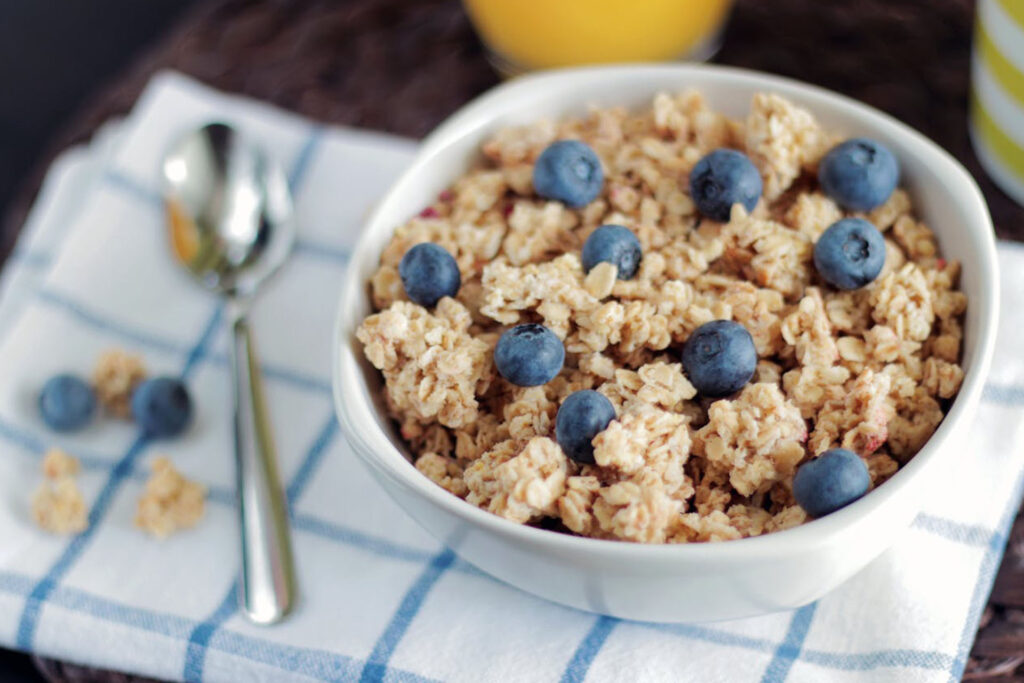
Eating a high fiber diet isn’t just about your digestive health. It’s about feeling energized, staying full longer, supporting your gut, and giving your body the nutrients it needs to thrive. But if you’ve ever tried to follow advice about fiber, you might have felt overwhelmed: How much fiber do I really need? Which foods actually count? Do I need supplements?
At Foodsense Now, we take a different approach. A high fiber diet doesn’t need to be complicated or stressful. It’s about practical, everyday choices that you can realistically add to your meals without overhauling your life.
Here’s how fiber works, why it matters, and exactly how to make it a consistent part of your day-to-day routine.
What Is a High Fiber Diet?
A high fiber diet focuses on including plenty of foods rich in dietary fiber — plant-based components that your body doesn’t fully break down. Fiber passes through your digestive system mostly intact, which helps support:
- Smooth, consistent digestion
- Balanced energy and blood sugar
- Heart health through cholesterol support
- Staying satisfied after meals, reducing the urge to overeat
Fiber comes in two main types:
Soluble fiber dissolves in water and forms a gel-like substance. It’s great for heart health and blood sugar control. Foods rich in soluble fiber include oats, beans, lentils, chia seeds, apples, and citrus fruits.
Insoluble fiber helps food pass through your digestive system more efficiently. It’s essential for regularity. You’ll find it in whole grains, nuts, seeds, carrots, and leafy greens.
A truly effective high fiber diet includes both types, which together support energy, gut health, and overall wellness.
What Counts as Fiber-Rich Foods?
Not all foods contribute the same amount of fiber, and it’s easy to overestimate how much you’re actually getting. A helpful way to think about it is to focus on whole, plant-based foods that are naturally rich in fiber.
Some of the most reliable sources include:
- Fruits like apples, berries, pears, and oranges
- Vegetables like leafy greens, carrots, broccoli, and squash
- Legumes such as beans, lentils, and chickpeas
- Whole grains like oats, brown rice, and quinoa
- Nuts and seeds, including almonds, walnuts, chia seeds, and flaxseed
Rather than trying to memorize numbers, aim to build meals that include a few of these foods at a time. The variety adds up quickly and helps support overall balance.
Benefits of a High Fiber Diet
Eating a high fiber diet can have a noticeable impact on how you feel day to day, not just long term, but in your energy, digestion, and sense of balance.
Instead of thinking about nutrients, think about outcomes:
- More steady energy throughout the day: Meals that include fiber help you avoid the highs and crashes that come from more refined, low-fiber options.
- Feeling full after meals: Fiber adds volume and slows digestion, which helps you stay full longer and feel more grounded between meals.
- More balanced meals overall: Focusing on fiber naturally encourages a more nutrient-dense, well-rounded way of eating.
- Less mindless snacking: When your meals are balanced and filling, you’re naturally less likely to reach for snacks out of habit or energy dips.
- A more supported, comfortable digestive system: Getting enough fiber consistently can help things feel more predictable and less off throughout the day.
- Support for heart and metabolic health: Fiber plays a role in managing cholesterol levels and supporting balanced blood sugar over time.
- Long-term health support: Diets rich in fiber are associated with lower risk of conditions like heart disease and type 2 diabetes.
How to Include Fiber Without Feeling Overwhelmed
One of the biggest mistakes people make is thinking a high fiber diet requires perfection. You don’t need to track every gram or completely change the way you eat overnight.
Instead, think of fiber as something you build gradually into meals you already enjoy. Small, consistent changes, like adding a serving of vegetables, swapping in a whole grain, or including a plant-based protein, can make a meaningful difference over time.
The goal isn’t to be perfect. It’s to create a way of eating that feels realistic, flexible, and sustainable.
-
Start Your Day with Fiber
Breakfast is the easiest place to add fiber. Try:
- Overnight oats with chia seeds, berries, and almond butter
- Whole grain toast with avocado, tomato, sprouts, and sesame seeds
- Smoothies with spinach, flaxseed, frozen berries, and yogurt
Even just one small swap, like oats instead of cereal or a smoothie with greens, can add 5–10 grams of fiber to your morning.
-
Make Every Meal Plant-Powered
Aim to include at least one fiber-rich food at every meal:
- Lunch: Grain bowls with quinoa, roasted vegetables, and legumes
- Dinner: Hearty lentil or grain-based dishes with seasonal produce
- Snacks: Whole foods like fruit with nut butter or vegetables with hummus
The trick is flexibility — choose what works for your schedule, palate, and lifestyle.
-
Legumes: The Fiber Powerhouses
Beans, lentils, chickpeas, and peas are excellent sources of both soluble and insoluble fiber. Some ways to use them:
- Add beans to soups, stews, or chili
- Make lentil or chickpea salads
- Blend beans into dips like hummus or white bean spread
They’re not just fiber-rich; they provide protein, minerals, and are cost-effective and eco-friendly.
-
Don’t Forget Whole Grains
Swap refined grains for fiber-packed alternatives:
- Brown rice, quinoa, or wild rice
- Whole grain breads, tortillas or pasta
- Oats (like overnight oats or oatmeal)
Even if you love white rice or regular pasta, balance your plate with extra vegetables or legumes to boost fiber content.
-
Snack Smart with Nuts, Seeds, and Fruits
Fiber doesn’t have to be just at meals. Include snacks like:
- A small handful of almonds or walnuts
- Fresh fruit like berries, pear slices, or apple wedges
- Vegetables with hummus
These simple additions help you reach your daily fiber goals without overthinking it.
-
Hydrate for Success
Fiber works best when you’re hydrated. Water helps fiber move efficiently through your digestive system and reduces constipation.
Tip: Aim for 8–10 glasses of water a day and incorporate hydrating foods like cucumber, tomatoes, and watermelon.
How to Increase Fiber Without Discomfort
If you’re not used to eating a lot of fiber, adding too much too quickly can feel uncomfortable. The key is to increase your intake gradually so your body has time to adjust.
A few simple ways to do this:
- Start by adding just one high fiber food per meal
- Space fiber-rich foods throughout the day instead of all at once
- Pair fiber with enough water to support digestion
- Pay attention to how your body responds and adjust as needed
Over time, your body adapts, and fiber becomes easier to incorporate without any extra effort.
High Fiber Meals for Every Lifestyle
Here’s how fiber can fit into different routines:
- Busy mornings: Overnight oats, smoothie bowls, or whole-grain toast with nut butter
- Plant-based diets: Lentil soups, chickpea salads, veggie stir-fries with quinoa
- Quick lunches: Wraps with beans, roasted vegetables, and leafy greens
- Dinner for the family: Sheet pan meals with roasted vegetables, a plant-based protein or optional lean protein, and a whole grain side
The common thread? Repeatable, flexible, and satisfying meals that make fiber a natural part of your daily routine. Keeping meals simple and adaptable helps them work with your schedule, not against it.
Tracking Your Fiber Without Stress
If you want to be more intentional:
- Use apps to check your fiber intake initially
- Focus on adding at least one high fiber ingredient per meal
- Gradually increase fiber to avoid digestive discomfort
Remember: slow and steady wins. Most people need 25–38 grams of fiber per day, but small increases over time are sustainable and effective. With time, this approach becomes second nature, and you may not need to track at all.
Common Mistakes on a High Fiber Diet
- Going too fast: Sudden increases can cause bloating.
- Relying on supplements: Real food provides additional nutrients and variety.
- Overcomplicating meals: Keep it simple — one fiber-rich ingredient per meal is a win.
- Neglecting hydration: Without enough water, fiber can cause discomfort.
The key is consistency, not perfection. Small, manageable changes lead to lasting results.
FAQs About a High Fiber Diet
How much fiber should I eat each day?
Most adults should aim for about 25–38 grams of fiber per day, depending on age and sex. Focus on including fiber-rich foods like fruits, vegetables, whole grains, legumes, nuts, and seeds in your meals and snacks.
Can I get too much fiber?
It’s rare but possible. Gradually increase intake and hydrate consistently to minimize discomfort.
Do I need supplements?
Not usually. Whole foods provide fiber plus vitamins, minerals, and antioxidants.
Will fiber help with weight management?
Yes. Fiber keeps you fuller longer, stabilizes blood sugar, and supports healthy digestion.
Can I get fiber if I’m on a plant-based diet?
Absolutely. Legumes, whole grains, fruits, vegetables, nuts, and seeds provide plenty of fiber.
What’s the easiest way to start a high fiber diet?
Start small by adding one fiber-rich food to each meal, like a serving of vegetables, a piece of fruit, or a whole grain. Building gradually makes it easier to stay consistent.
Final Thoughts: Make a High Fiber Diet Work for You
A high fiber diet doesn’t need to be stressful or complicated. Focus on simple, repeatable meals with whole grains, fruits, vegetables, legumes, nuts, and seeds. Hydrate consistently, listen to your body, and gradually increase fiber for sustainable results.
Over time, these small changes can add up to meaningful improvements in how you feel every day.
If you want a little more guidance or want to see high fiber meal ideas in action, check out Foodsense Now’s live cooking classes and office hours inside our Skool community. These sessions show how to put fiber-rich foods into practice in real life, making it easier to build healthy habits that last.